
The complete guide
How to Choose a Cash Box With Tray for Everyday Takings
A mixed pile of coins can slow down even a small sale. Add loose notes, a busy table and someone waiting for change, and a simple cash payment becomes harder than it needs to be. A cash box with tray gives that money a set place.
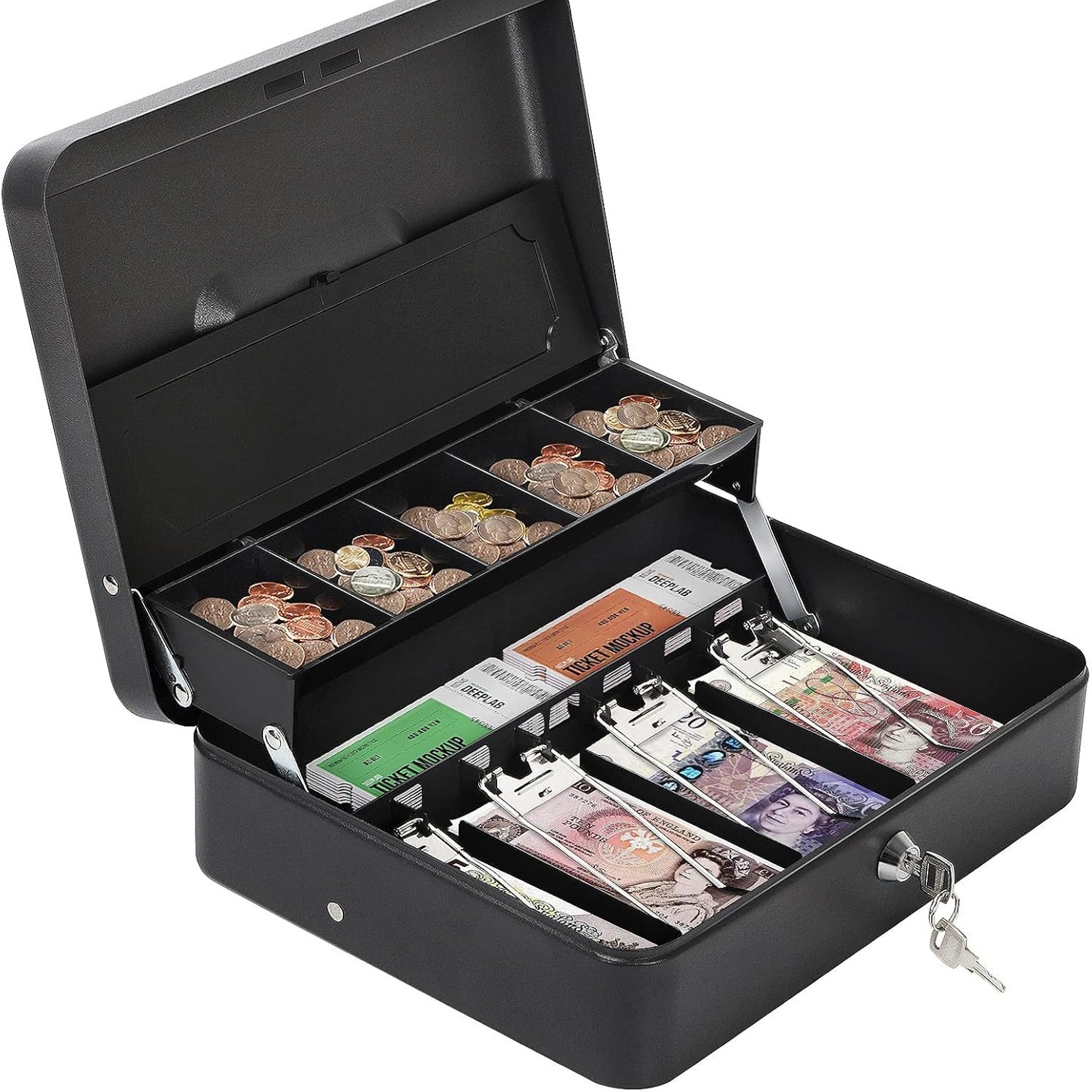
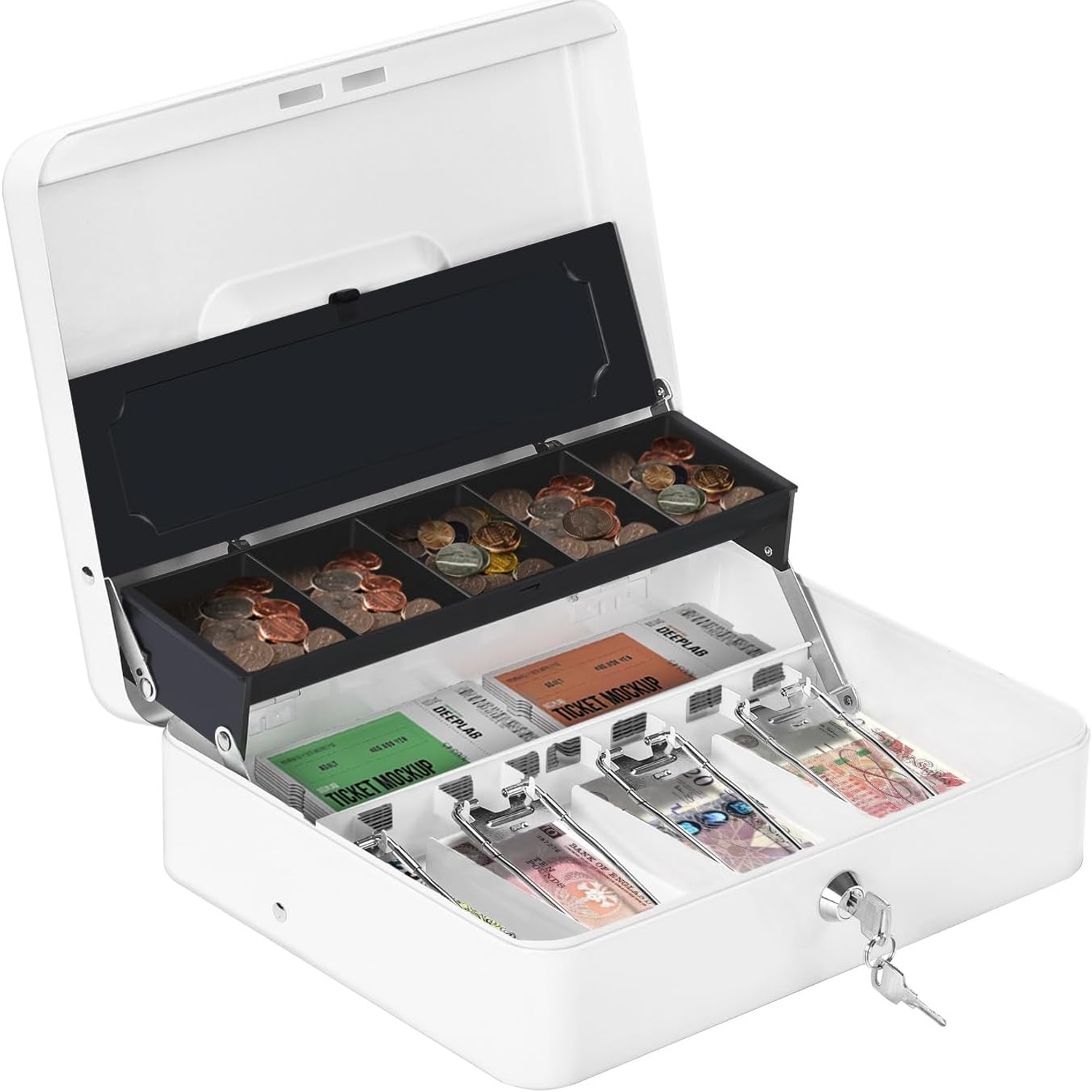
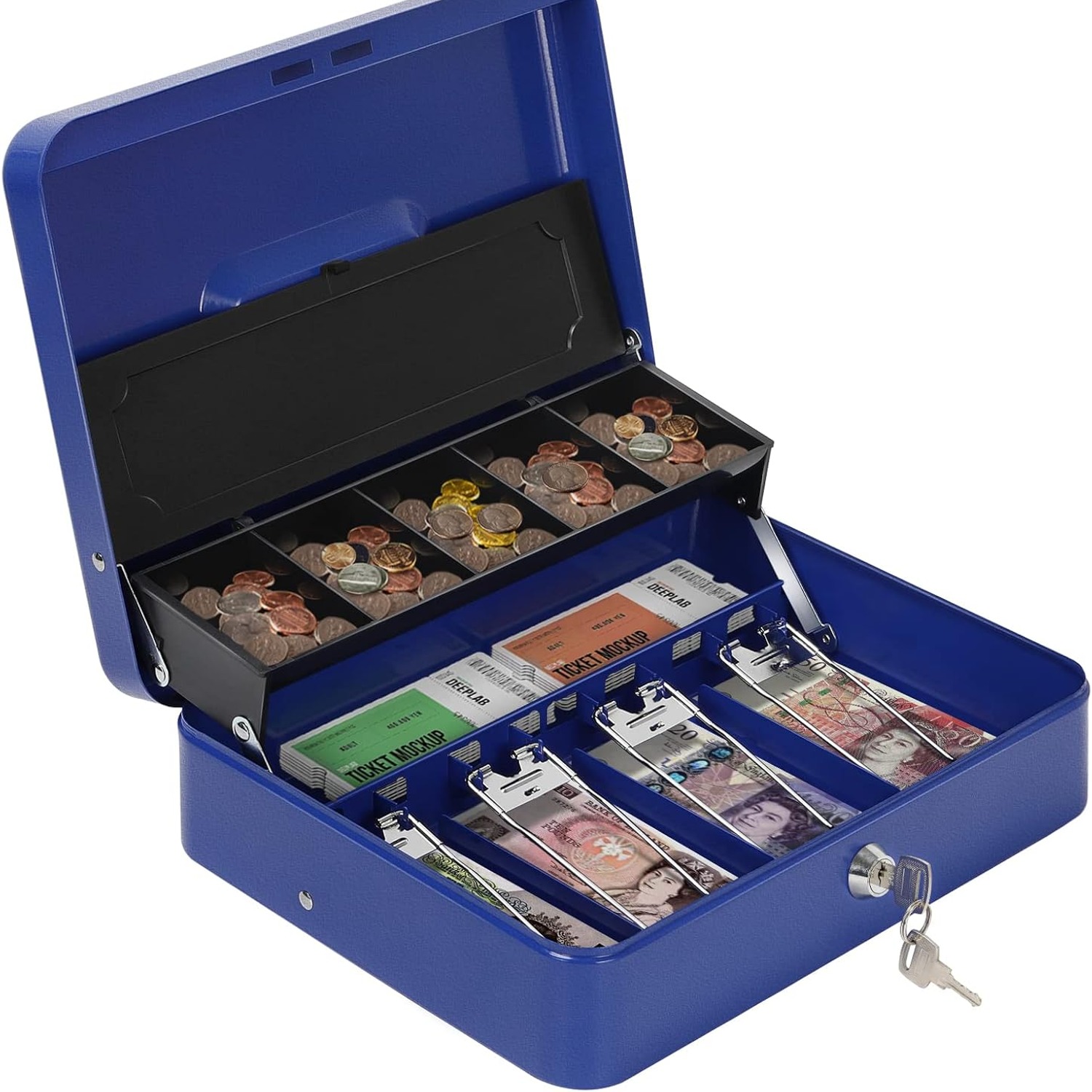
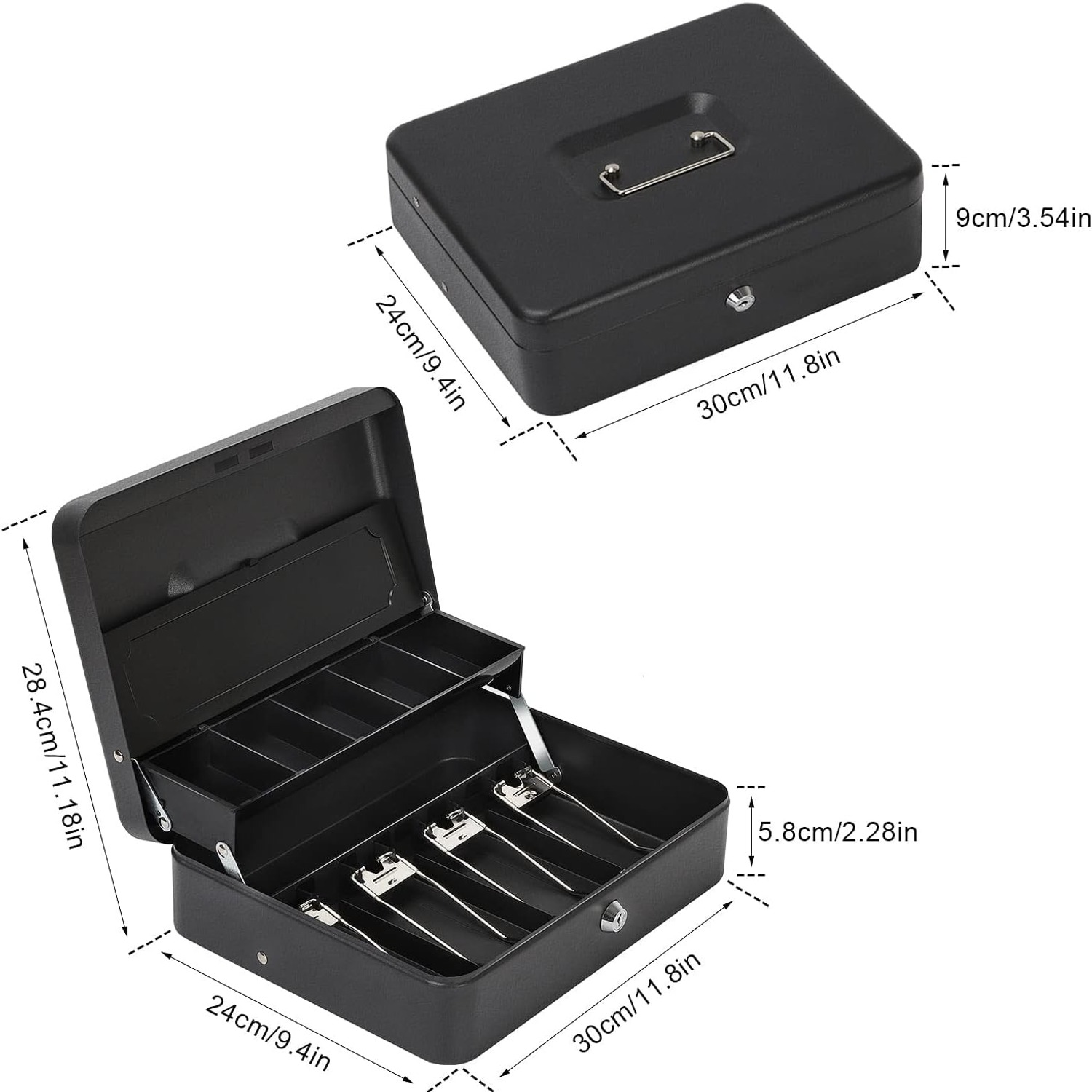
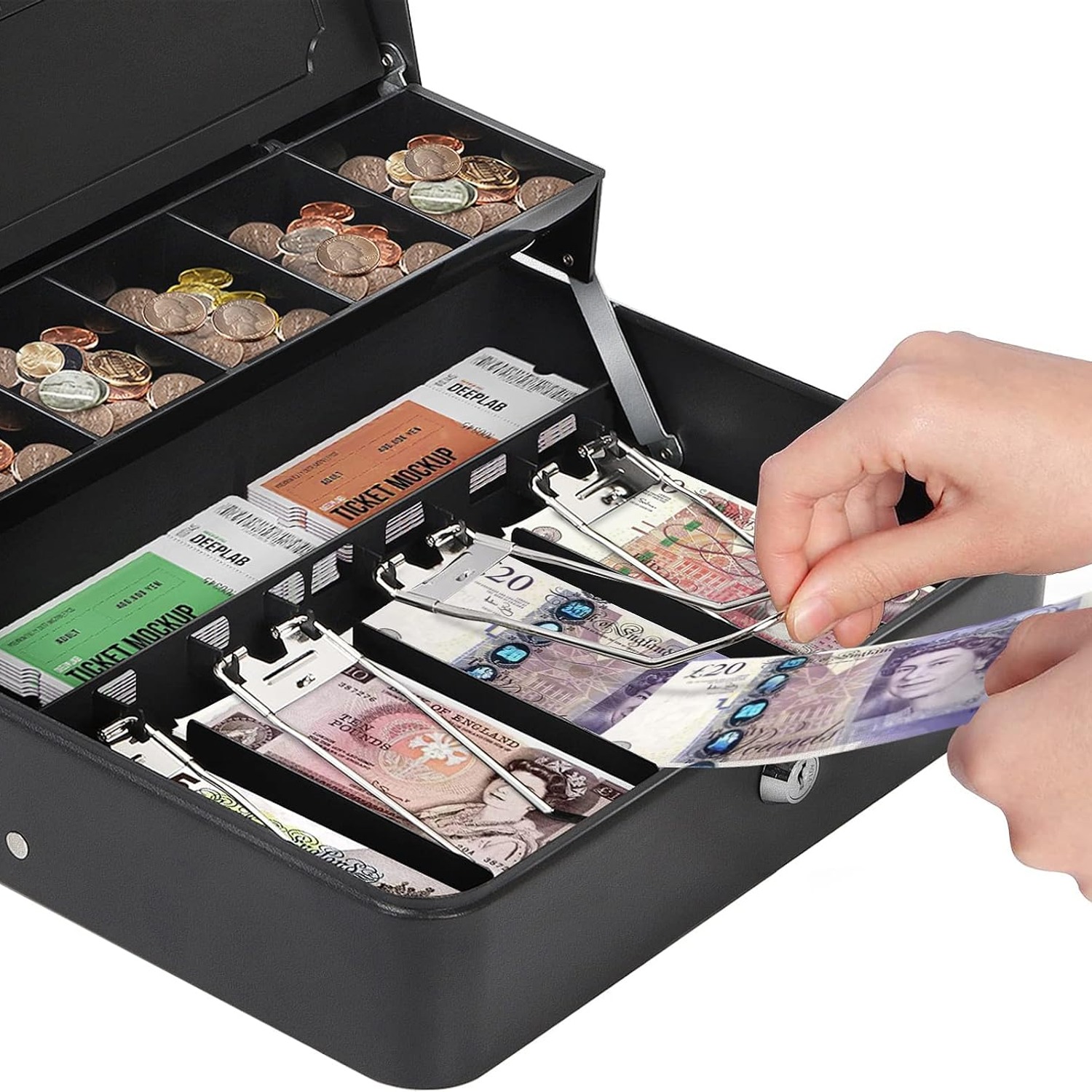
This model brings together five coin compartments, four spring-loaded note holders and a key-operated lock. It is a practical option to consider for a working float at a stall, a community event or at home. The important part is matching its layout to your routine, rather than judging it by the lock alone.
Start with the job you need it to do
Think about when you handle cash and what usually causes trouble. Perhaps coins get mixed together during a fair. Perhaps several people share a petty cash fund, and counting it back takes too long. You might just want notes and coins kept together rather than spread across drawers.
A cash storage box can give you one place to work from. The compartments help with sorting, while the lid and lock let you close the box between uses. Neither feature replaces a clear record of what goes in and out.
This model makes most sense as a working cash organiser. If your main need is protection for large sums left overnight, start by looking at rated storage instead. No burglary or fire rating is given by the maker.
Understand the tray layout
The tiered coin tray has five compartments. That gives you five separate spaces to assign before trading begins. You could use individual sections for common denominations, then group less-used coins where that makes sense.
Do not assume five compartments will give every coin its own section. Count the denominations you expect to handle. If you need more than five groups, plan which ones can share without making change difficult.
The maker does not confirm whether the tray is removable. This matters if you want to lift a full tray out for counting or reach underneath it. Ask for confirmation if that is part of your normal routine. A tiered design alone does not establish how the tray moves or comes apart.
Keep notes under control
Four spring-loaded holders are described for keeping notes in place. They give paper money a more orderly home than a loose stack beside the coins.
Before your first event, decide how to divide the notes. You might separate common values or reserve one area for notes awaiting a count. Use a layout that another person can understand without a long explanation.
Keep stacks manageable. A stated maximum capacity is not available, so there is no sound basis for promising a particular number of notes. If a holder needs force or the lid presses against the contents, reduce the load. A cash box with note holders works better when the moving parts have room to do their job.
Know what the key lock offers
This key lock cash box comes with two keys. That is useful for keeping a spare, but only if the spare is stored somewhere other than inside the box or beside the working key.
Choose who will hold the main key during use. For shared events, make key handovers part of the cash handover. A quick count and a written balance can prevent confusion later.
A key lock controls ordinary access to the closed box. It does not establish resistance to forced entry, and the maker's details gives no burglary rating. Keep the box attended during trading. Move takings to suitable secure storage when they are no longer needed as change.
Check size before planning your workspace
The dimensions need special care. One part of the maker's details gives a size of 30 x 24 x 9 cm. Another details field lists 24 x 30 x 30 cm. Those measurements do not agree.
For that reason, do not order on the assumption that either set is confirmed. If you need a box to fit a drawer, cupboard or narrow counter, ask for verified external measurements first.
Also allow space to open the lid and use the tray. A box that fits on a shelf when closed may not be easy to work from there. Measure the working area, not just the storage gap. Check any bag or carrying case separately, especially if you plan to take the box between venues.
Allow for the weight of your float
The listed box weight is 1.6 kg. Coins add weight quickly, so the loaded box will be heavier than that figure.
A recessed handle is included for carrying. Before moving the box, make sure the lid is properly closed and locked. Keep your route clear and avoid carrying more loose equipment than you can manage at the same time.
If your selling space is far from parking or storage, think about the full journey. The best portable cash box for your routine is one you can carry comfortably when loaded, not just when empty. Take only the working float you need and follow your organisation's cash-handling rules.
Match it to the setting
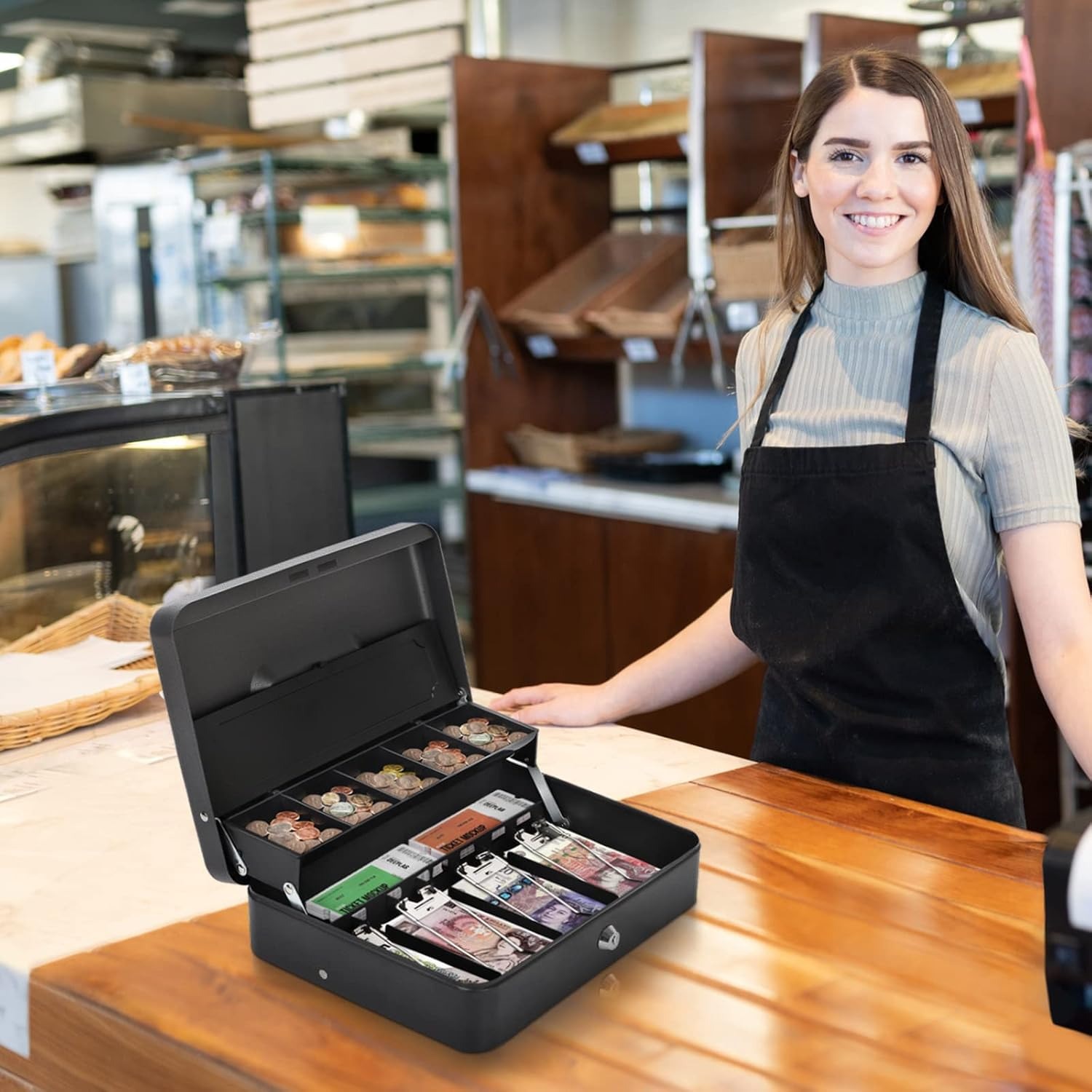
For a market table, the main benefit is having change and notes in known places. Position a cash box for market stalls where the person taking payments can reach it without leaving it open to customers.
At a fundraising event, agree who counts the opening float and who receives the final takings. A cash box for fundraising supports that process, but it cannot create an audit trail by itself. Keep a written record alongside it.
At home, the same layout may suit a small cash budget or money being sorted before banking. For shared workplace funds, a petty cash box should be paired with receipts and a running balance. The right process matters as much as the container.
Keep it dry, especially outdoors
The details state that this box is not water resistant. That rules out treating it as weatherproof storage, even if you only expect a short shower.
For outdoor events, choose a sheltered working area and plan what you will do if rain blows under the cover. Drinks can be just as much of a problem as weather. Keep cups and bottles away from the cash area.
If moisture reaches the surface, wipe it away and dry the box. Do not soak it to clean it. A metal body does not mean that the lock, contents or interior are protected from water.
Read the material details with care
The product details describe a black finish and stainless steel material. They do not state a steel grade or panel thickness. Those missing figures should not be filled in with guesses about strength or long-term wear.
Likewise, the maker includes an unexplained visual alarm entry. There is not enough information to describe how that feature works or whether it offers a useful warning. Do not make an alarm function part of your buying decision without confirmation.
Focus on the clearly described features: the key lock, two keys, coin compartments, note holders and carrying handle. These give you a firmer basis for deciding whether the box suits your work.
Set up a simple cash routine
Before opening, count the float and write down the total. Sort coins into their assigned compartments and place notes under the holders. Make sure everyone handling money understands the arrangement.
During use, return cash to the same place each time. Avoid letting receipts, packaging or personal items build up in the tray. They make it harder to see what is there and can get in the way of closing the box.
At a change of staff, count together if possible. Record the balance and pass over the key deliberately. At the end, separate the starting float from the day's takings before putting money into its next storage location.
Care and checks between uses
Wipe the box with a soft cloth and dry it after cleaning. Clear out loose debris from the compartments, and keep dirt away from the key opening. Do not force a stiff key, holder or lid.
Inspect the contents before closing. Coins caught in the wrong place or overfilled note stacks can stop parts from moving freely. Remove the obstruction rather than pressing harder.
Store the empty box in a dry place between events. Check that you know where both keys are before the next outing. If only one remains, ask about replacement options early, since replacement key availability is not stated by the maker.
The short version
This tiered cash box offers five coin compartments, four spring-loaded note holders and two keys for its key lock. Its recessed handle and freestanding format suit a working cash setup that moves between storage and a table.
Choose it for organisation, with sensible cash-handling habits alongside it. Confirm the conflicting dimensions if fit matters, keep it dry, and do not assume fire, burglary or alarm protection that has not been established. Those checks will tell you more about its suitability than a long feature list.