
The complete guide
A Practical Guide to Choosing a Fingerprint Drawer Safe
Small valuables often end up scattered across a home. A passport sits in a desk drawer, jewellery rests on a bedside table, and spare cash gets tucked into an envelope. A dedicated safe gives those items one place to live, with a lock between them and casual access.
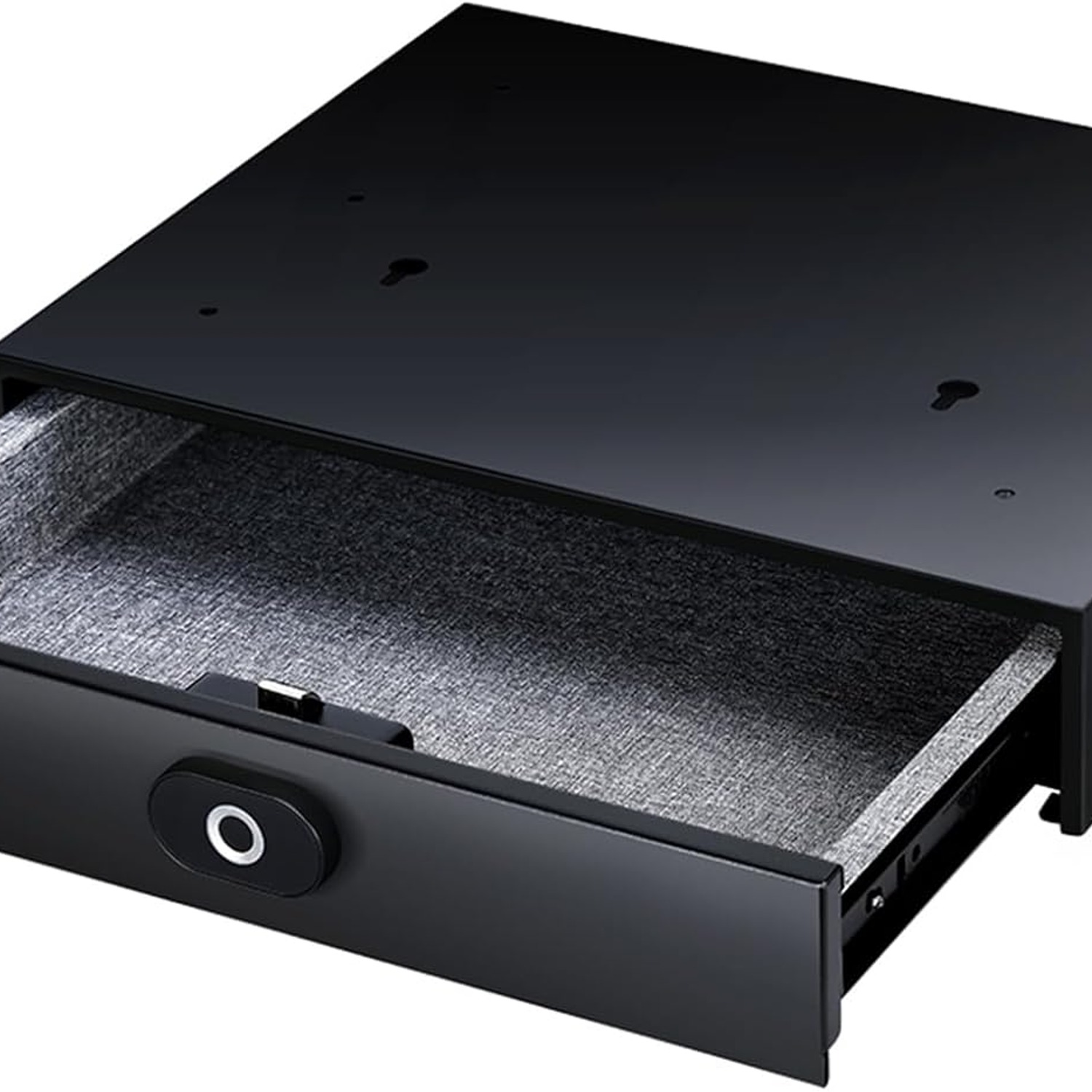
A hidden drawer safe is worth considering when you want a shallow storage space rather than a tall box. This model uses fingerprint control and a slide-out compartment. It also has limits that matter when buying a safe, including no stated fire or burglary rating.
The useful question is not simply whether it looks compact. It is whether the storage space, installation options and access method suit the items you want to keep inside.
What a drawer safe does differently
A conventional safe usually has a hinged door. A slide out safe brings the storage compartment towards you instead. That changes how you reach the contents and how much clear space you need in front.
For small, flat items, a drawer can make the contents easier to see. You may be able to arrange documents or jewellery without stacking them deeply. The listed internal height is only 7 cm, though, so this is shallow storage rather than a space for bulky belongings.
Think about the items you reach for most often. A passport wallet, a few small valuables or envelopes may be more relevant than the total number of things you own. Measure those items before deciding whether this format makes sense.
How fingerprint access works
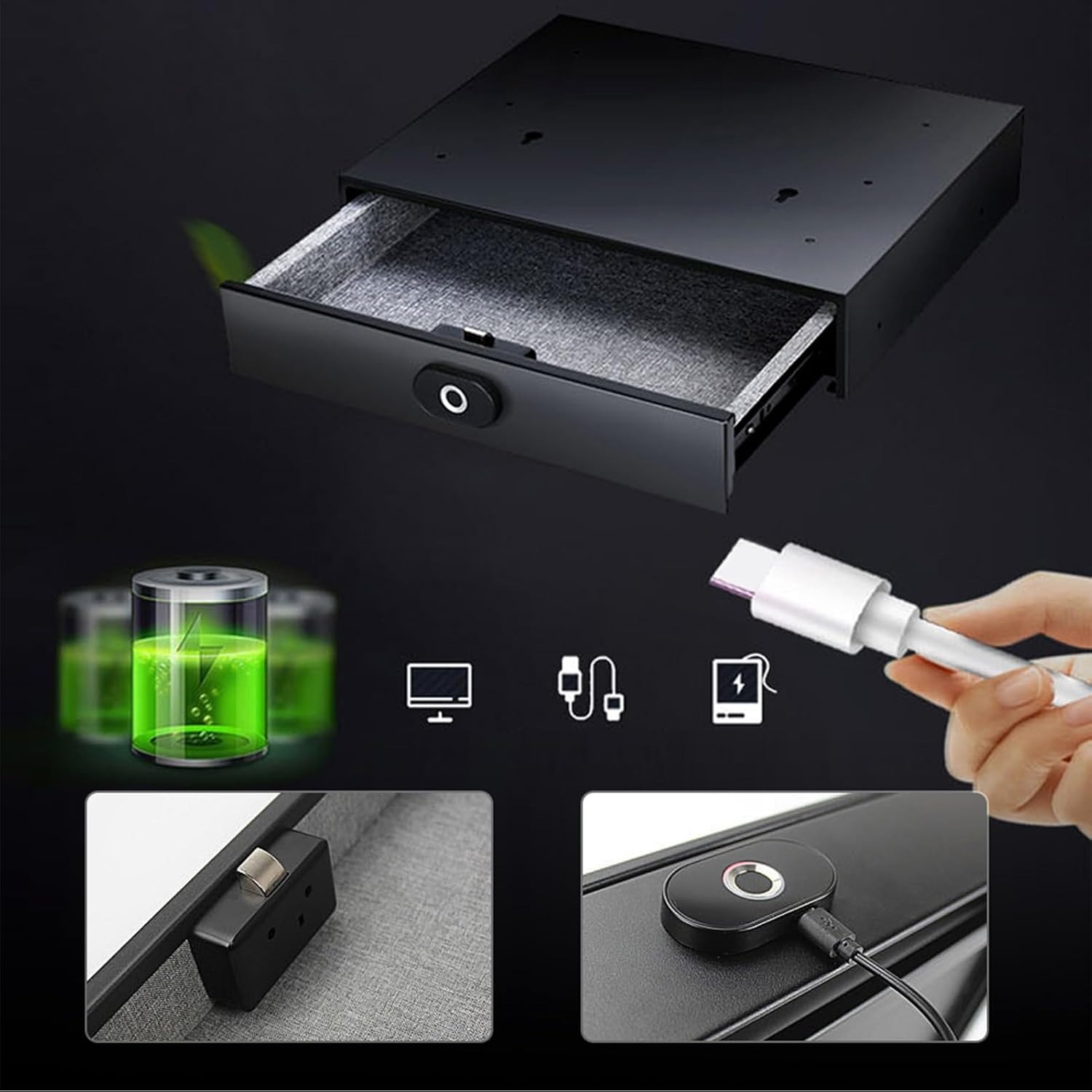
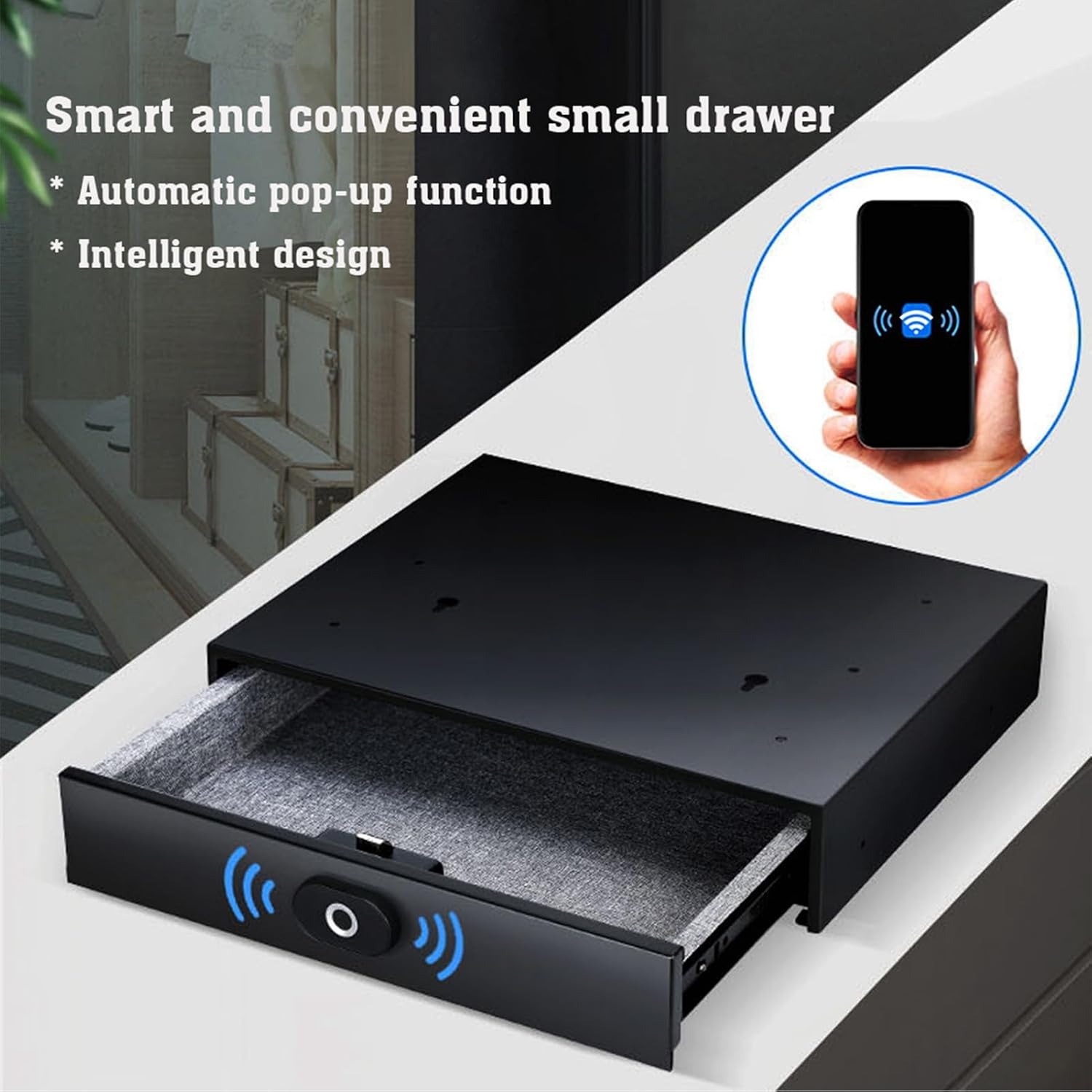
This biometric drawer safe uses a semiconductor fingerprint sensor. The maker gives a recognition time of 0.5 seconds. That figure describes recognition, not the full time needed to place your finger, release the lock and pull out the drawer.
Fingerprint access may appeal if you prefer not to enter a code each time. However, the maker does not state how many fingerprints can be saved. It also does not explain whether a key, code or other backup method is available.
Those are important questions, especially for shared use. Before storing anything essential, read the manual and confirm how access works if the battery runs down or a fingerprint is not recognised. Do not assume a backup feature is included just because another safe has one.
Check the measurements with care
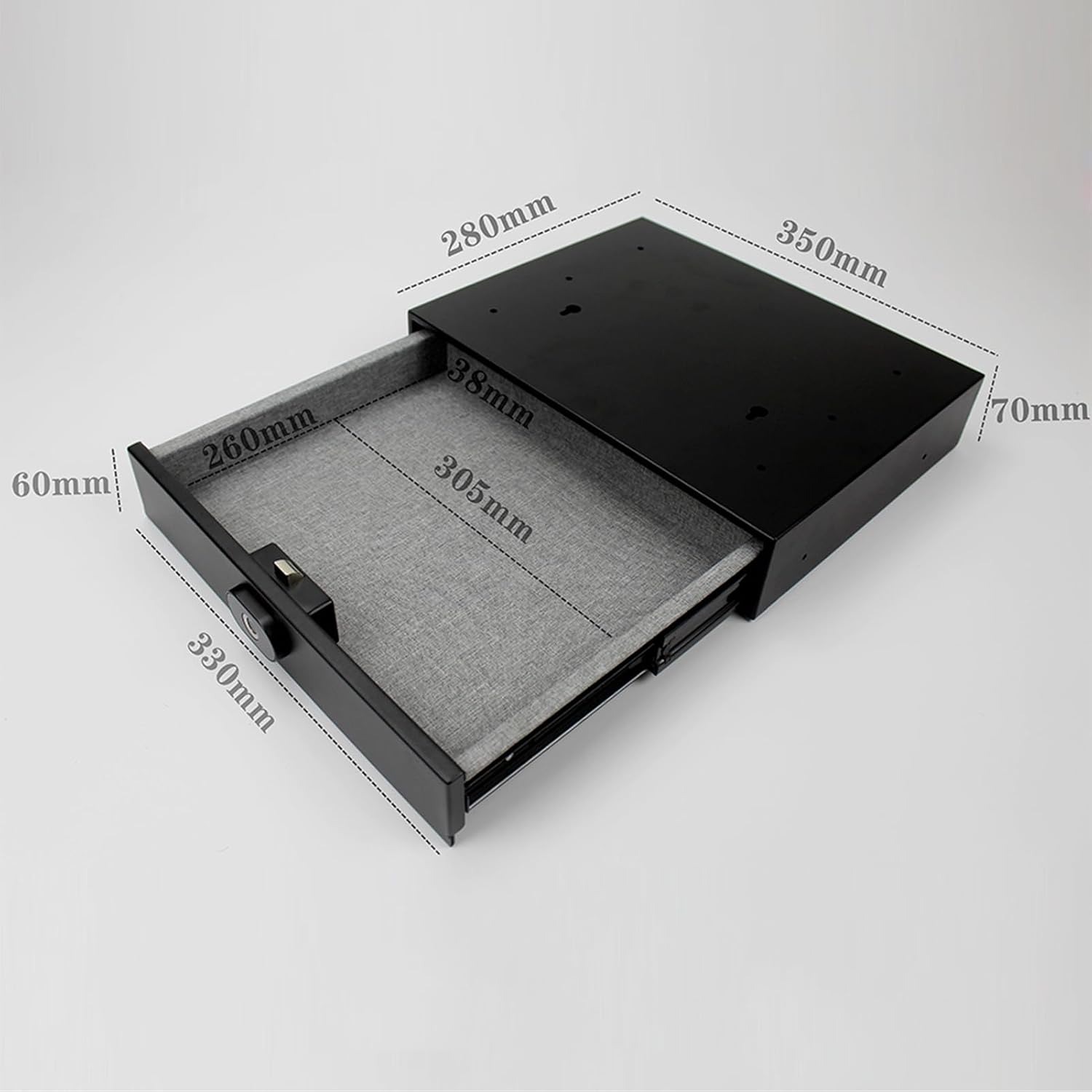
There are two external size figures in the maker information. The product details list 39 x 32 x 11 cm in depth, width and height. The description gives 39 x 32.4 x 10.5 cm.
That difference matters in a fitted cabinet. A few millimetres can decide whether a unit fits, rubs against furniture or leaves enough space to operate. Confirm the dimensions before ordering for an exact opening.
For initial planning, allow for the larger listed measurement on each axis. This is a cautious starting point, not a substitute for confirmation. You will also need room for the drawer to extend, but the exact travel distance is not provided.
The description lists an internal space of 35 x 28 x 7 cm. A paper template can help you picture that footprint. Place your intended contents on it, then check their height, including cases or covers.
Choosing a desk, cabinet or bedside position
An under desk safe can sound like a simple way to use spare space. Yet the name alone does not confirm that a safe can be screwed directly to the underside of a desk. This listing states wall mounting and portable placement, without a detailed under-desk fitting method.
Check the installation instructions before making holes. The mounting hole pattern, required fixings and approved mounting orientation are not given by the maker. If your plan depends on a particular position, settle those questions first.
A bedside drawer safe needs a different kind of planning. Make sure you can reach the sensor comfortably and pull the drawer open without hitting the bed or nearby furniture. Avoid choosing a spot that works only when you move something out of the way.
For an office cabinet safe, check the cabinet door opening too. The safe may fit inside while the drawer still catches on hinges, trim or the door itself.
Support and fixing matter
The listed empty weight is 4.05 kg. Stored items add to that load. A shelf or mounting surface must be suitable for the combined weight and the way the drawer will be used.
Opening a loaded drawer changes how weight is distributed. That is one reason to follow the supplied fitting instructions rather than treating placement as an afterthought. Do not improvise fixings based only on the outside size.
Portable placement has another limit. A safe that is not secured may be carried away as a whole. Fingerprint control limits access to the compartment, but it does not by itself anchor the unit to the room.
If you rent your home or use shared office furniture, check permission before drilling. It is better to resolve that early than to buy a wall mount drawer safe with nowhere suitable to attach it.
Understand the protection being offered
The maker describes a solid alloy steel lock bolt and metal construction. Material wording varies, with alloy steel in the product details and references to a zinc alloy lock body and steel body elsewhere.
These details describe parts of the product. They do not establish a tested burglary grade. No independent burglary certification is supplied, so avoid treating the safe as a rated answer to forced entry.
There is also no stated fire rating. If your main concern is preserving original documents through a house fire, look for a product with a documented rating suited to that need.
Water protection is clearer. The product details say this safe is not water resistant. A dry indoor position is important, and the safe should not be treated as protection against flooding, leaks or spills.
Match the compartment to your belongings
A passport storage safe should fit the way you actually keep documents. A bare passport takes less room than a travel wallet holding several passports and other papers. Measure the full bundle rather than one item from it.
The same applies to a jewellery storage safe. Watch boxes and rigid cases can be much taller than loose jewellery. No fitted tray or protective lining is confirmed here, so do not assume the interior includes either.
For use as a cash storage safe, think about envelopes and organisers. Leave enough room to remove them without bending or catching their edges. Filling the chamber to its full height may make everyday use awkward.
Keep the closing path clear. Before locking the drawer, check that nothing sits across the edge or blocks its movement. A little spare space is often more useful than squeezing in one extra item.
Plan for charging before regular use
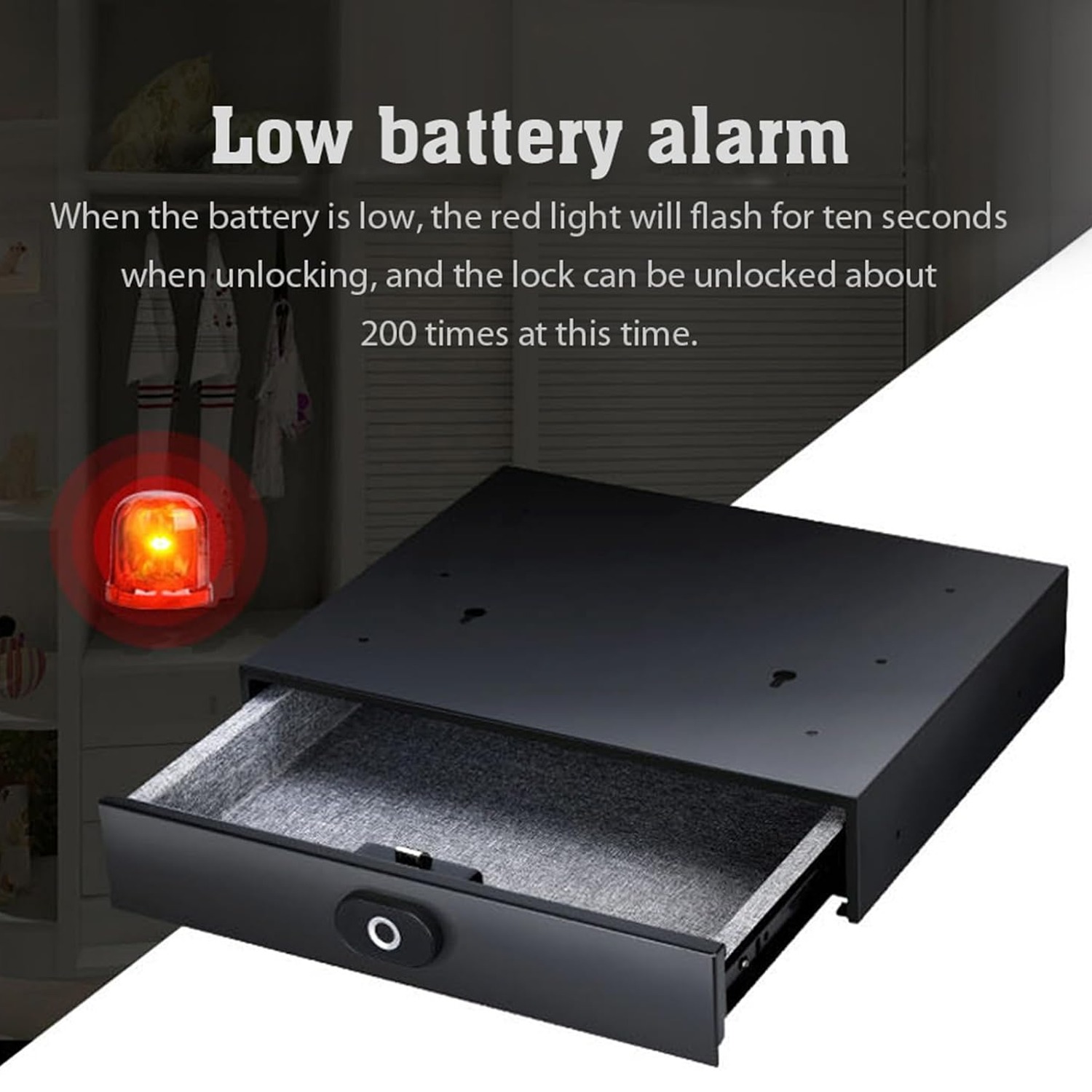
This is a USB rechargeable safe with a built-in battery. The maker mentions long standby, but does not give battery capacity, a charging time or a measured interval between charges.
Choose a location where charging will be practical. A hidden position is less useful if the charging connection is hard to reach. The maker does not identify the connector type or confirm that a cable and adapter are included.
The package list names one drawer safe case and one user manual. Read that manual before choosing charging equipment or setting a routine. Most importantly, confirm the low-power and power-loss procedures before relying on the lock for access to important belongings.
Care for the sensor and drawer
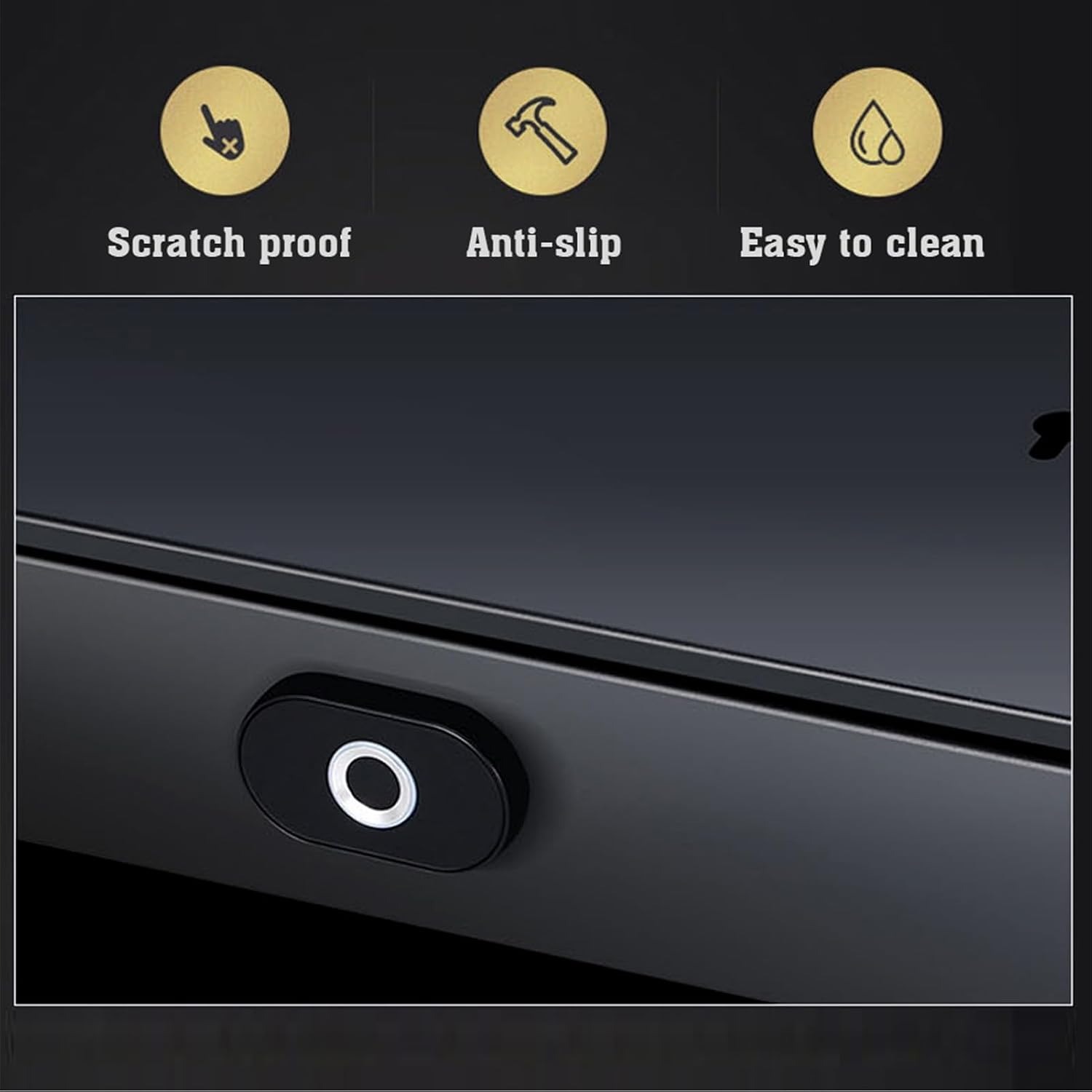
Simple care starts with keeping the unit dry. Wipe the outside with a soft cloth, and avoid spraying cleaner onto the sensor or into openings. Keep the fingerprint reading surface free from visible dirt.
Check the drawer path for small objects. A loose paper clip or an overfilled envelope can interfere with movement. The maker describes steel ball slide rails, but gives no specific lubrication schedule.
Do not add oil or other products unless the manual calls for them. If movement changes, inspect for an obstruction and follow the care instructions rather than forcing the drawer.
Decide whether it suits your priorities
This low profile safe may suit someone who wants fingerprint access and shallow storage for a modest set of valuables. Its drawer format is the main practical feature, particularly where front access is convenient.
It is less suited to a decision that depends on a certified security grade, known fire performance or water protection. Those needs call for clear evidence, not assumptions based on weight or appearance.
Before buying, resolve the details that would change your choice. Exact external size, backup access and mounting requirements deserve particular attention. Delivery estimates and return terms should also be checked for your destination.
The short version
Choose this desk security drawer for its listed fingerprint control, sliding compartment and USB charging, provided those features fit your routine.
Measure your contents and the intended space. Confirm installation and backup access before use. Treat it as an unrated storage safe, keep it dry, and choose a rated alternative if tested fire or burglary protection is your main goal.