
The complete guide
A Practical Guide to Choosing and Installing an In-Floor Safe
Small valuables can be hard to store well. A drawer is easy to reach, but it also leaves everything in a familiar place. A loose box may keep items together without giving you the fixed storage you want.
An in-floor safe offers a different approach. It puts a locked enclosure at floor level, with the option of keeping it out of everyday view. This model combines key access, steel construction and fixing points. Before buying, though, the main task is to check whether its size, installation needs and stated protection match your home.
What this floor safe offers
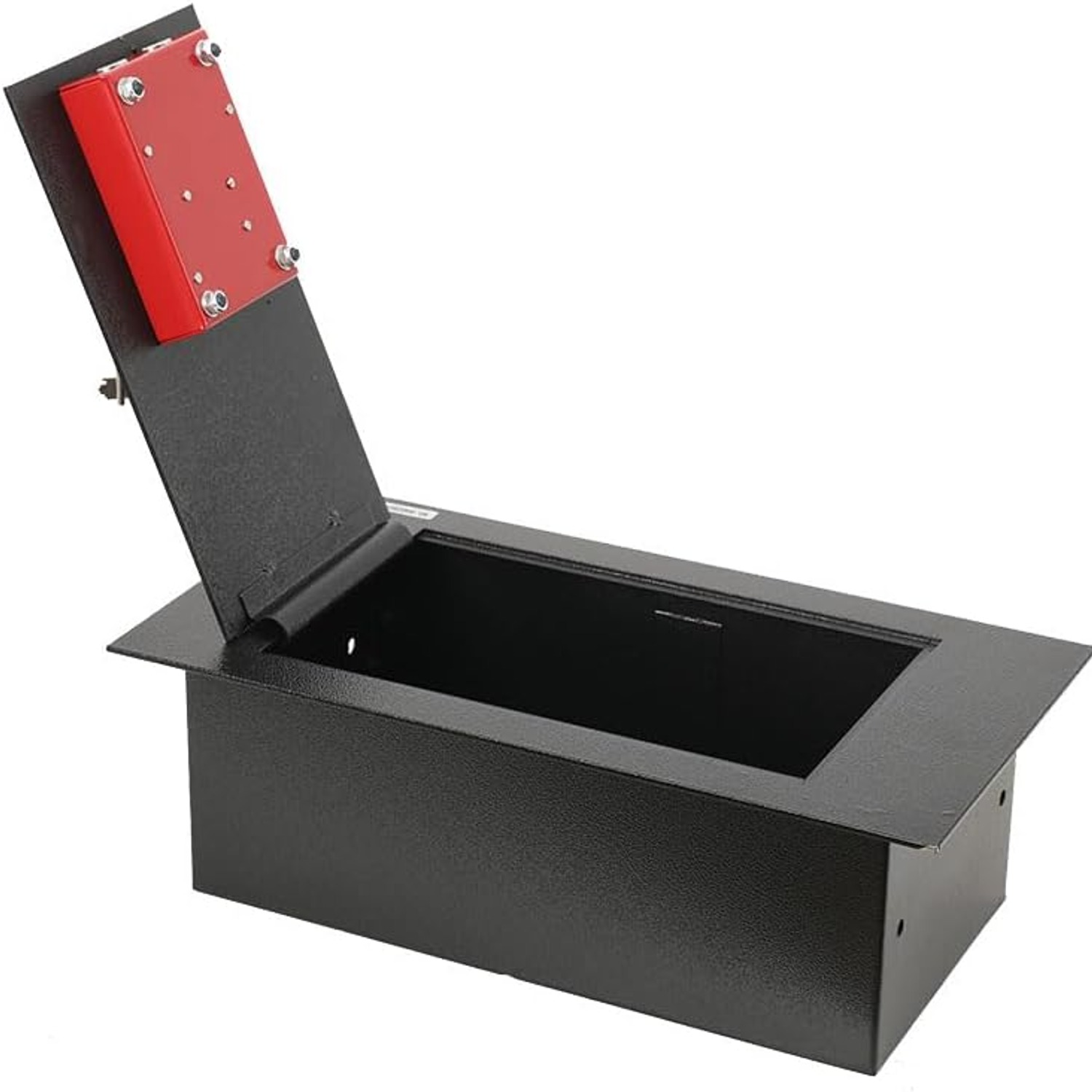
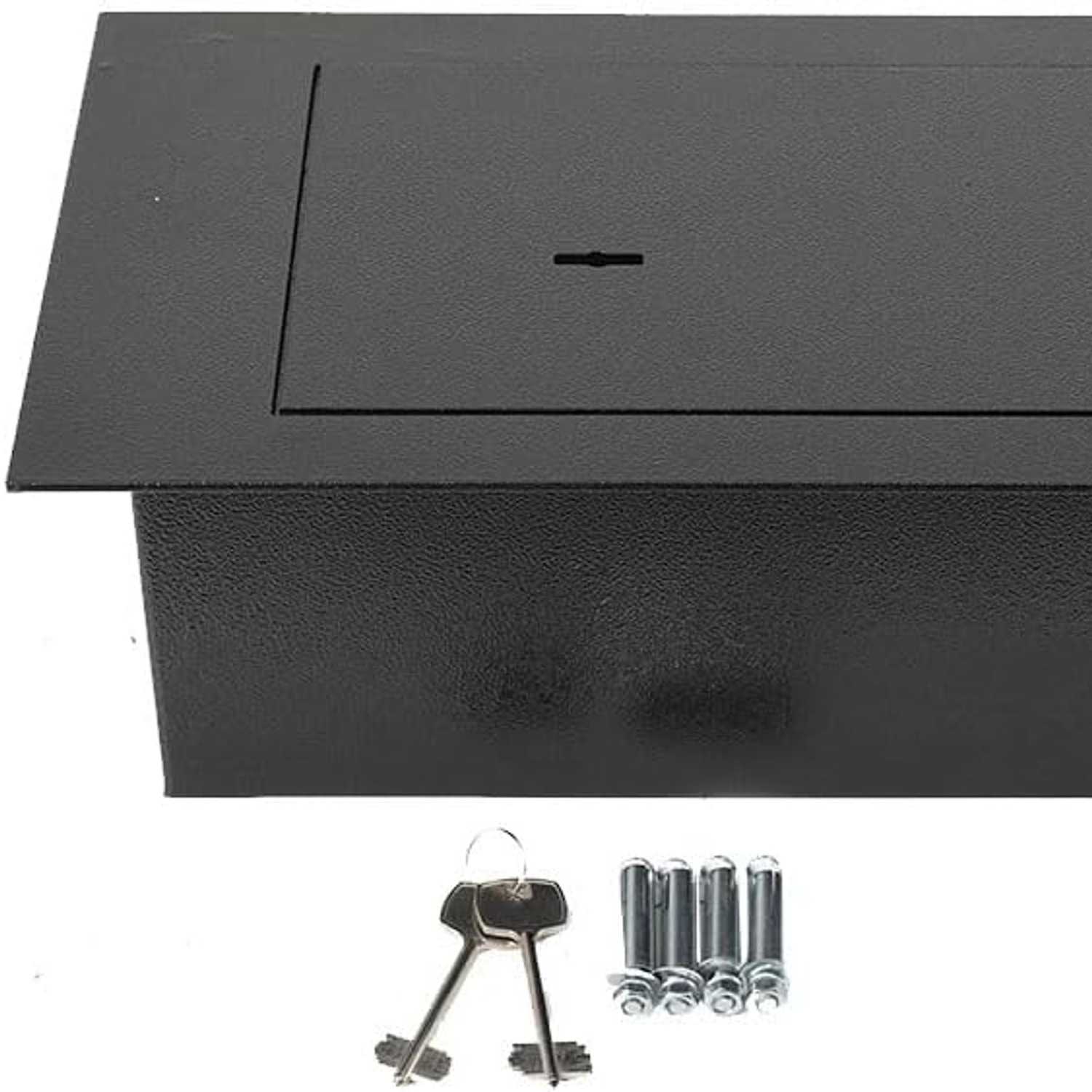
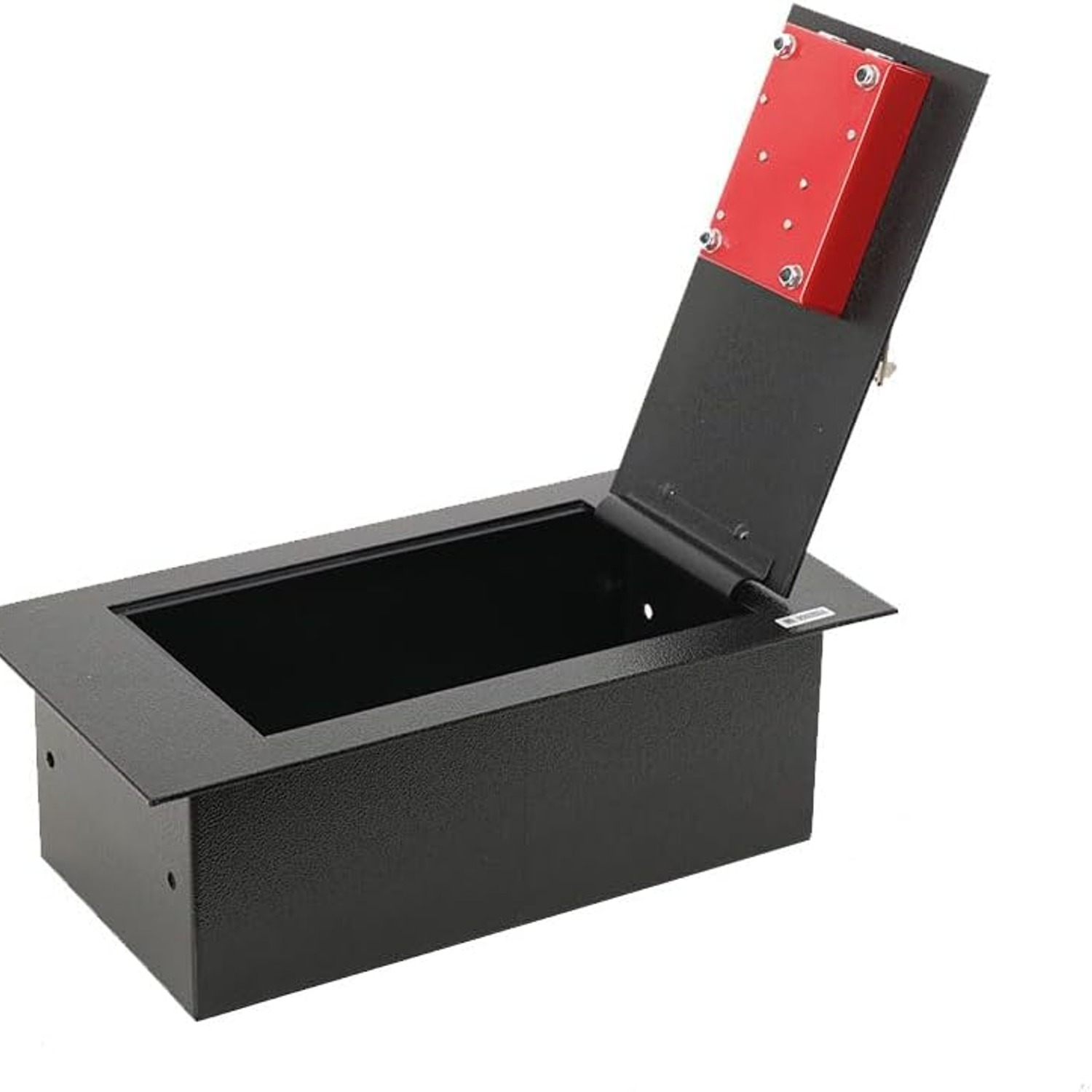
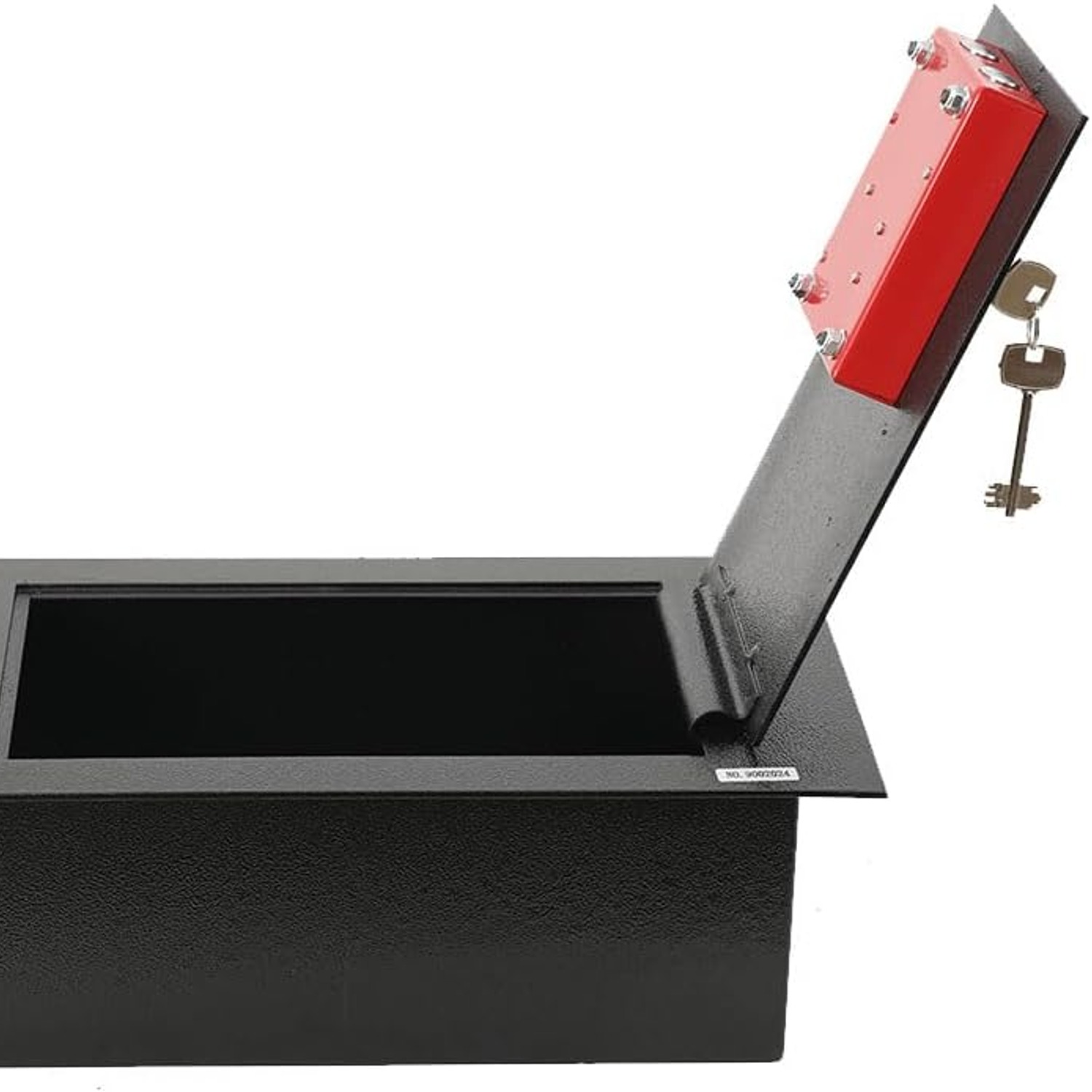
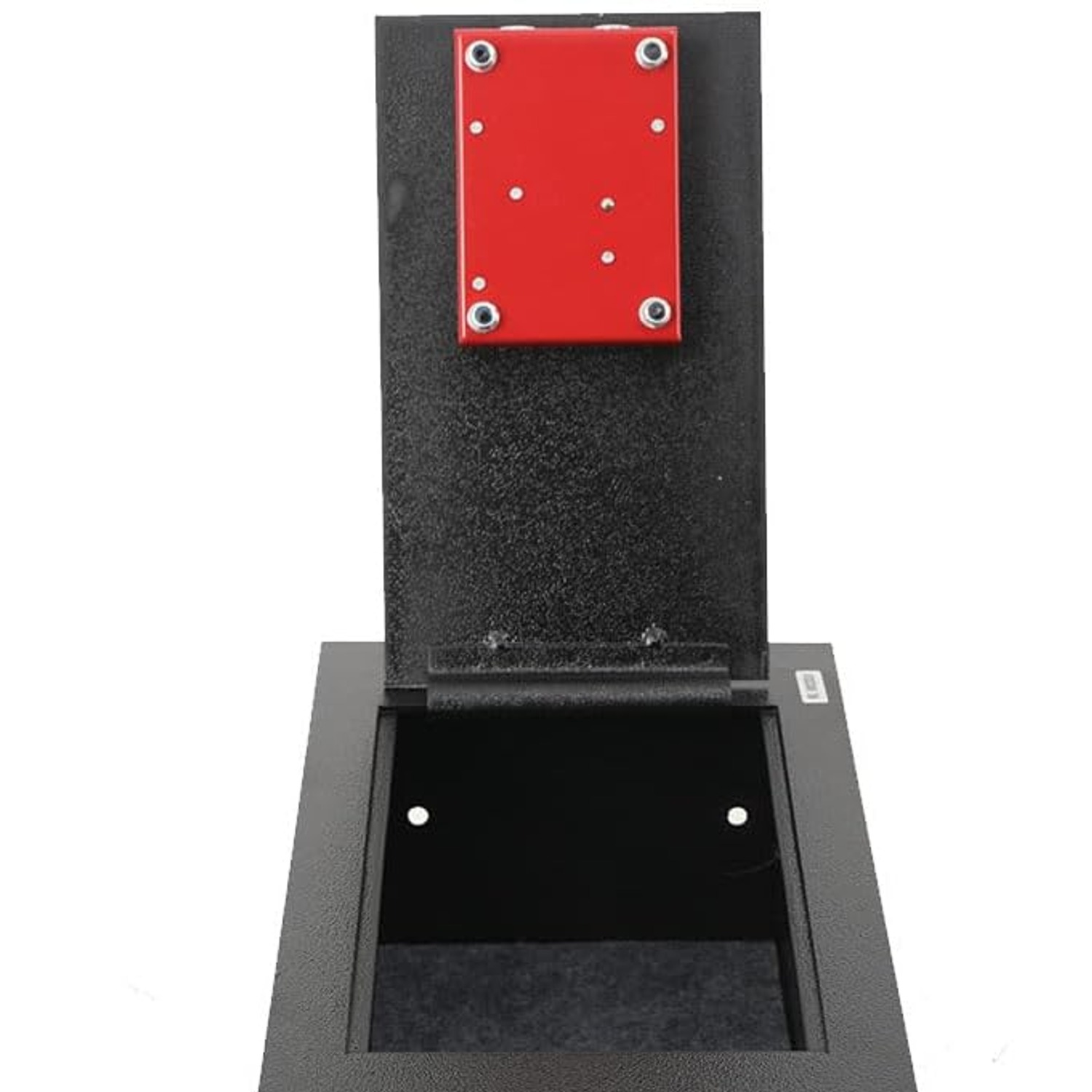
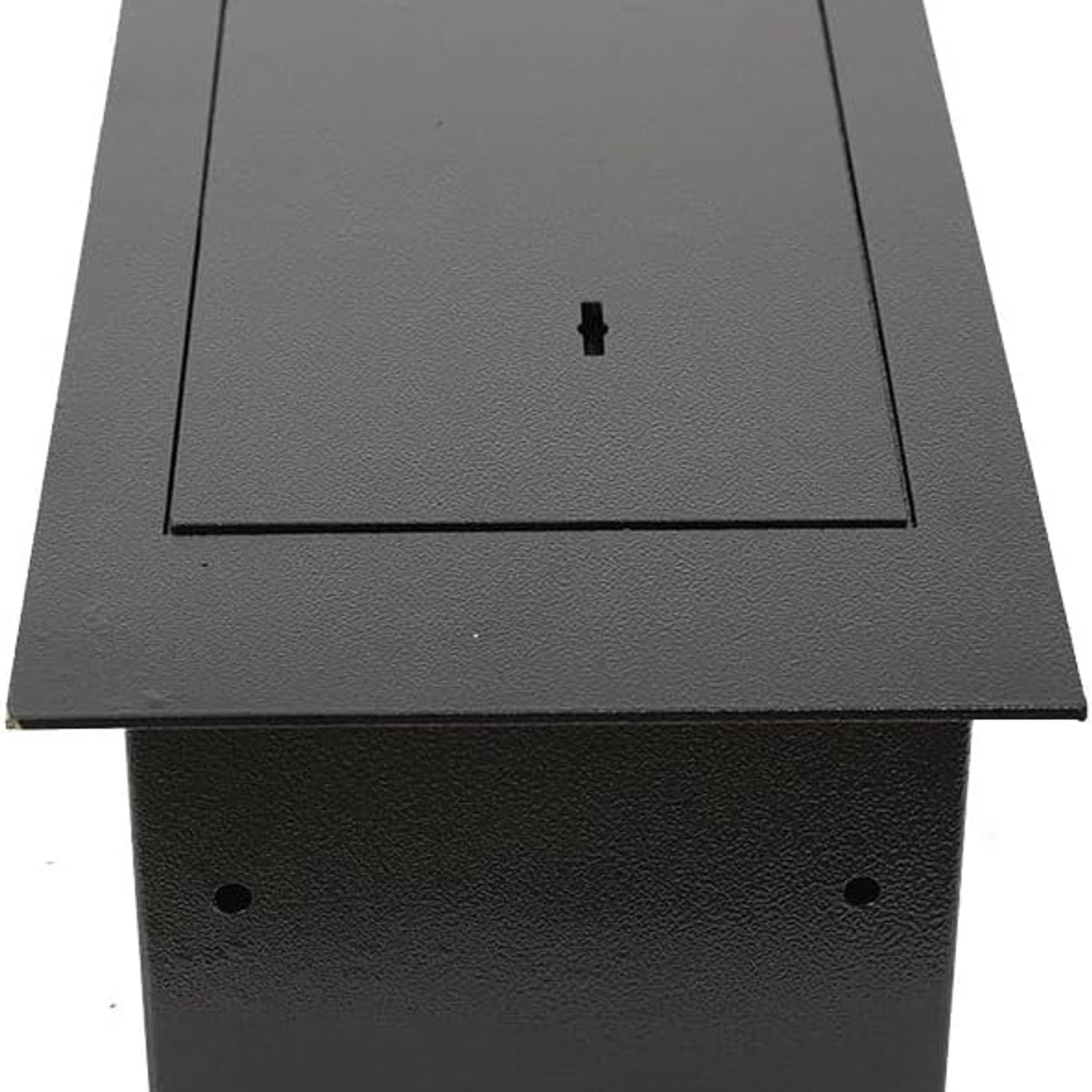
This is a key lock floor safe with two supplied keys. Its door uses two live-locking bolts, and the maker describes the door as pry-resistant. The body is made from solid steel plate, with a listed door thickness of 3 mm and body thickness of 1.5 mm excluding the door.
A protective mat covers the interior base. That gives stored items a surface other than bare steel to rest on. It does not replace separate pouches or cases for items that could scratch each other.
The package description lists four fixing bolts, and the safe has preformed fixing holes. These details support a fixed installation, but they do not establish that the supplied bolts suit every floor.
Concealment and security are different things
A hidden floor safe can keep valuables away from casual view. That is useful, but concealment should not be confused with a tested level of resistance to attack.
The maker gives no certified burglary grade, fire rating or insurance approval. It also gives no tested period of resistance. The steel thickness and locking-bolt count describe the product, not a promise about how long it will resist forced entry.
Think about what you intend to store and what protection those items need. If an insurer requires a named standard or cash rating, get that requirement in writing and compare it with confirmed product documentation. A concealed location cannot stand in for a required certification.
Start with the items you want to store
Before measuring your floor, look at the contents. Lay out the items you hope to keep inside, allowing room for any protective cases. Avoid planning around a tightly packed arrangement that would make the door difficult to close.
A home valuables safe may be useful for small personal items, but fit needs checking. Jewellery boxes, document wallets and rigid cases can take up more room than expected. The door opening may also be smaller than the chamber behind it.
The maker does not give full usable internal dimensions or a capacity in litres. If a particular item must fit, ask for both the internal measurements and the clear opening size. External size alone is not enough.
Read the dimensions carefully
The measurements need extra attention for this product. The detail table gives 39.5 × 13 × 21 cm in depth, width and height order. The separate specification gives 395 × 210 × 130 mm without matching that same axis order.
Those entries contain the same three measurements, but they assign them differently. That matters when planning a recessed floor safe. A mistake about which side is the height could change the work needed.
Do not cut an opening from an assumed orientation. Confirm which measurement describes each side, then check the safe itself before any permanent work begins. The stated chamber depth of 130 mm does not resolve all questions about the exterior or usable interior.
Check what is beneath the floor
Floor finishes reveal little about the structure below. Before choosing a location, establish what supports the floor and whether pipes, cables or other services could be nearby.
A floor mounted safe needs a suitable installation plan. The supplied fixings are not evidence that every surface or floor build-up is suitable. If the work involves cutting into a floor, it is sensible to have a qualified person assess the proposed position.
The maker describes both level placement within the floor and mounting over a sturdy floor. These descriptions do not provide a detailed installation design. Use the supplied instructions and confirm the intended fitting method before starting.
Choose a position you can actually use
Concealed valuables storage still needs to be accessible to its owner. Think about how you will reach the lock, lift or open the door, and remove contents without awkward stretching.
A position that requires moving heavy furniture each time may discourage regular use. Equally, a spot in the path of routine cleaning could expose the lock area to dust or moisture. Look for a dry place with practical access.
Check door clearance as well as the footprint. Leave enough room to see what you are doing and to remove your largest intended item. Do not judge the position only by whether the closed safe fits.
If you rent your home, obtain permission before drilling or altering the floor.
Decide whether key access suits you
A manual key safe avoids the need to remember a keypad code. This model comes with two keys, so you can keep one for normal use and store the other separately.
That makes key management part of the purchase decision. A spare locked inside the safe will not help if the working key goes missing. Leaving a key next to the safe also weakens the value of keeping its location discreet.
A replacement-key service is not specified by the maker. If that is important, ask about it before ordering. Keep any supplied key information securely and follow the instructions for operating the lock without force.
Plan the installation before opening the toolbox
The maker mentions installation instructions, preformed holes and four fixing bolts. Read the instructions before deciding what tools or extra materials the work may require.
Keep in mind that fixing hardware must suit the supporting material. Do not assume a bolt is appropriate simply because it is supplied. An installer can assess the floor and advise on a suitable method without relying on guesswork.
Before permanent fitting, confirm the package contents and check the door and keys according to the instructions. Resolve missing parts, damage or measurement questions first. It is much easier to address a problem before the safe becomes part of the floor.
Keep moisture in mind
No water-resistance rating is stated for this underfloor safe. There is also no sealing specification. Treat a dry installation location as an important part of the plan, rather than assuming steel construction keeps water out.
Think about nearby plumbing and how the room is cleaned. A position exposed to leaks, spills or damp conditions may be a poor choice for sensitive contents.
The protective mat is described as protection for items resting on the base. It is not described as a moisture barrier. Documents and delicate belongings may need separate suitable protection, but that does not turn the enclosure into a waterproof safe.
Compare features that matter to your needs
When comparing a bolt down home safe with another model, start with usable space and installation suitability. Then look at the lock type and any documented protection standards.
Appearance is a secondary question. This black floor safe may suit a discreet position, but colour tells you nothing about tested security performance. The same applies to words such as heavy duty when no defined test accompanies them.
The best floor safe for a particular home is one whose confirmed details match the job. If you need certified fire protection, an insurer-approved rating or a known internal capacity, seek a product with those details clearly stated. Do not fill gaps in the maker's description with assumptions.
Care after fitting
Keep the accessible surfaces clean with a soft, dry cloth. Clear away loose dust near the lock, and avoid letting cleaning fluids enter it. Keep the mat and interior dry.
Do not overfill the chamber or use the door to compress stored items. If the key becomes hard to turn, stop rather than forcing it. Contents pressing against the door may be worth checking, but a continuing lock problem needs appropriate help.
Check accessible fixings periodically in line with the installation instructions. If the safe becomes loose or the surrounding floor changes, have the installation assessed before continuing normal use.
The short version
This domestic floor safe offers key access, steel construction, two live-locking bolts and a protective interior mat. It comes with two keys, while the package description lists four fixing bolts.
Its main buying checks are straightforward. Confirm the measurement orientation, establish that the floor can accept the intended installation, and make sure your items fit. Then compare your protection needs with the information actually provided. Choose it for its stated features, not for an unstated fire, water or burglary rating.